Upgrade to Pro

  • The industry applications of 2.5D and 3D technologies are vast and varied, spanning sectors such as telecommunications, consumer electronics, and automotive. These technologies enable the development of high-performance products that meet the growing demands of modern consumers. By exploring the diverse applications of 2.5D and 3D technologies, we can gain insights into their transformative potential across different industries. In telecommunications, 3D TSV technology is increasingly being used to enhance the performance of network infrastructure. As the demand for faster data transmission and increased bandwidth continues to rise, 3D TSV technology allows for the development of compact and efficient solutions that can support high-speed data transfer. This is particularly important for applications such as 5G networks, where low latency and high capacity are essential for delivering seamless connectivity.

    In the consumer electronics sector, both 2.5D and 3D technologies are being utilized to create more powerful and efficient devices. For instance, the integration of 3D TSV technology in smartphones and tablets enables manufacturers to develop devices with improved performance and reduced power consumption. Similarly, 2.5D technology allows for the combination of different functionalities within a single package, enabling the creation of multifunctional devices that cater to the diverse needs of consumers.

    The automotive industry is also benefiting from the adoption of 2.5D and 3D technologies, particularly in the development of advanced driver-assistance systems (ADAS) and autonomous vehicles. These applications require high-performance computing solutions that can process vast amounts of data in real-time. By leveraging 2.5D and 3D technologies, manufacturers can create compact and efficient systems that enhance the safety and performance of modern vehicles.

    In conclusion, the industry applications of 2.5D and 3D technologies are extensive and continue to grow as the demand for high-performance products increases. From telecommunications to consumer electronics and automotive, these technologies enable manufacturers to develop innovative solutions that meet the evolving needs of consumers. As research and development in this field continue, we can expect to see further advancements and applications of 2.5D and 3D technologies across various industries.@https://www.marketresearchfuture.com/reports/3d-tsv-and-2-5d-market-34415

    The industry applications of 2.5D and 3D technologies are vast and varied, spanning sectors such as telecommunications, consumer electronics, and automotive. These technologies enable the development of high-performance products that meet the growing demands of modern consumers. By exploring the diverse applications of 2.5D and 3D technologies, we can gain insights into their transformative potential across different industries. In telecommunications, 3D TSV technology is increasingly being used to enhance the performance of network infrastructure. As the demand for faster data transmission and increased bandwidth continues to rise, 3D TSV technology allows for the development of compact and efficient solutions that can support high-speed data transfer. This is particularly important for applications such as 5G networks, where low latency and high capacity are essential for delivering seamless connectivity. In the consumer electronics sector, both 2.5D and 3D technologies are being utilized to create more powerful and efficient devices. For instance, the integration of 3D TSV technology in smartphones and tablets enables manufacturers to develop devices with improved performance and reduced power consumption. Similarly, 2.5D technology allows for the combination of different functionalities within a single package, enabling the creation of multifunctional devices that cater to the diverse needs of consumers. The automotive industry is also benefiting from the adoption of 2.5D and 3D technologies, particularly in the development of advanced driver-assistance systems (ADAS) and autonomous vehicles. These applications require high-performance computing solutions that can process vast amounts of data in real-time. By leveraging 2.5D and 3D technologies, manufacturers can create compact and efficient systems that enhance the safety and performance of modern vehicles. In conclusion, the industry applications of 2.5D and 3D technologies are extensive and continue to grow as the demand for high-performance products increases. From telecommunications to consumer electronics and automotive, these technologies enable manufacturers to develop innovative solutions that meet the evolving needs of consumers. As research and development in this field continue, we can expect to see further advancements and applications of 2.5D and 3D technologies across various industries.@https://www.marketresearchfuture.com/reports/3d-tsv-and-2-5d-market-34415
    WWW.MARKETRESEARCHFUTURE.COM
    3D Tsv And 2 5D Market Size, Share, Industry Analysis | 2035
    3D Tsv And 2 5D Market is Expected to Reach USD 11.66 Billion by 2035, Growing at a CAGR of 8.52% During 2025 - 2035 | Driven By Advancements In Infrastructure
    ·16 Views ·0 Reviews
  • While the advantages of 3D technology in electronic markets are clear, several challenges must be addressed for successful implementation. Technical hurdles such as the need for advanced software and hardware can be daunting for many businesses. Additionally, the costs associated with developing high-quality 3D content can be prohibitive, particularly for smaller companies. Understanding these challenges is essential for businesses looking to adopt 3D technology effectively. One of the primary obstacles is the initial investment required for 3D modeling software and training staff to use these tools proficiently. Many businesses may find it difficult to justify these costs, especially if they are uncertain about the return on investment. Furthermore, creating high-quality 3D models often requires specialized skills that may not be readily available in-house. This leads to the need for outsourcing, which can further increase costs. Another challenge is ensuring that the 3D content is optimized for various devices and platforms, as consumers access e-commerce sites from a range of devices, including smartphones, tablets, and desktop computers. Additionally, businesses must consider the user experience; poorly executed 3D models can lead to frustration and deter potential customers. Finally, there is the challenge of keeping up with rapidly evolving technology. As new tools and techniques emerge, businesses must be agile and willing to adapt to remain competitive. By acknowledging and addressing these challenges, companies can better position themselves for successful integration of 3D technology into their e-commerce strategies.@https://www.marketresearchfuture.com/reports/3d-electronic-market-34430
    While the advantages of 3D technology in electronic markets are clear, several challenges must be addressed for successful implementation. Technical hurdles such as the need for advanced software and hardware can be daunting for many businesses. Additionally, the costs associated with developing high-quality 3D content can be prohibitive, particularly for smaller companies. Understanding these challenges is essential for businesses looking to adopt 3D technology effectively. One of the primary obstacles is the initial investment required for 3D modeling software and training staff to use these tools proficiently. Many businesses may find it difficult to justify these costs, especially if they are uncertain about the return on investment. Furthermore, creating high-quality 3D models often requires specialized skills that may not be readily available in-house. This leads to the need for outsourcing, which can further increase costs. Another challenge is ensuring that the 3D content is optimized for various devices and platforms, as consumers access e-commerce sites from a range of devices, including smartphones, tablets, and desktop computers. Additionally, businesses must consider the user experience; poorly executed 3D models can lead to frustration and deter potential customers. Finally, there is the challenge of keeping up with rapidly evolving technology. As new tools and techniques emerge, businesses must be agile and willing to adapt to remain competitive. By acknowledging and addressing these challenges, companies can better position themselves for successful integration of 3D technology into their e-commerce strategies.@https://www.marketresearchfuture.com/reports/3d-electronic-market-34430
    WWW.MARKETRESEARCHFUTURE.COM
    3D Electronic Market Size, Share, Industry Growth | 2035
    3D Electronic Market Is Projected To Reach a Valuation of USD 174.17 Billion by 2035, Growing at a CAGR of 9.72% During the Forecast Period 2025 - 2035
    ·18 Views ·0 Reviews
  • The Internet Protocol Television Market has grown rapidly due to shifting consumer behavior and evolving expectations around media consumption. Modern audiences seek flexibility, personalization, and instant access to content, all of which IPTV platforms deliver effectively. Understanding consumer preferences is essential for grasping why IPTV continues to gain momentum across diverse demographics and regions.

    One of the most notable trends influencing IPTV adoption is the preference for on-demand content. Viewers increasingly favor the ability to choose programs rather than follow predetermined schedules. This autonomy aligns with busy lifestyles and fragmented viewing habits. IPTV platforms cater to this demand by offering extensive libraries of movies, series, documentaries, and live programming accessible at any time.

    Personalization has become a central component of the IPTV experience. Recommendation engines analyze viewing history and preferences to suggest relevant content, enhancing user satisfaction. Personalized interfaces make content discovery easier and more engaging, reducing the time spent searching for programs. This tailored approach resonates strongly with digital-savvy consumers accustomed to customized online experiences.

    Price sensitivity also influences IPTV adoption. Consumers are increasingly evaluating the value they receive from entertainment services. IPTV’s flexible subscription models, including tiered packages and add-on services, allow users to pay for what they actually watch. This perceived value for money makes IPTV an attractive alternative to traditional cable subscriptions with fixed channel bundles.

    Device usage patterns further support IPTV growth. The widespread use of smart TVs, streaming devices, and mobile phones enables IPTV access across multiple platforms. Younger consumers, in particular, prefer mobile viewing, while families appreciate multi-screen options. IPTV’s adaptability to different devices ensures relevance across age groups and viewing preferences.

    Content localization plays a vital role in attracting diverse audiences. IPTV providers increasingly offer regional languages, culturally relevant programming, and localized content libraries. This approach strengthens engagement in emerging markets and multicultural societies. By addressing local tastes while offering global content, IPTV platforms create a balanced entertainment ecosystem.

    Social influence and peer recommendations also impact IPTV adoption. Viewers often discover new content through social media discussions, reviews, and shared experiences. IPTV platforms that integrate social features or promote shareable content benefit from organic growth driven by community engagement.

    Trust and reliability are essential for long-term consumer retention. Viewers expect consistent streaming quality, minimal downtime, and responsive customer support. Service providers that prioritize user experience build strong brand loyalty, encouraging continued subscriptions and positive word-of-mouth promotion.

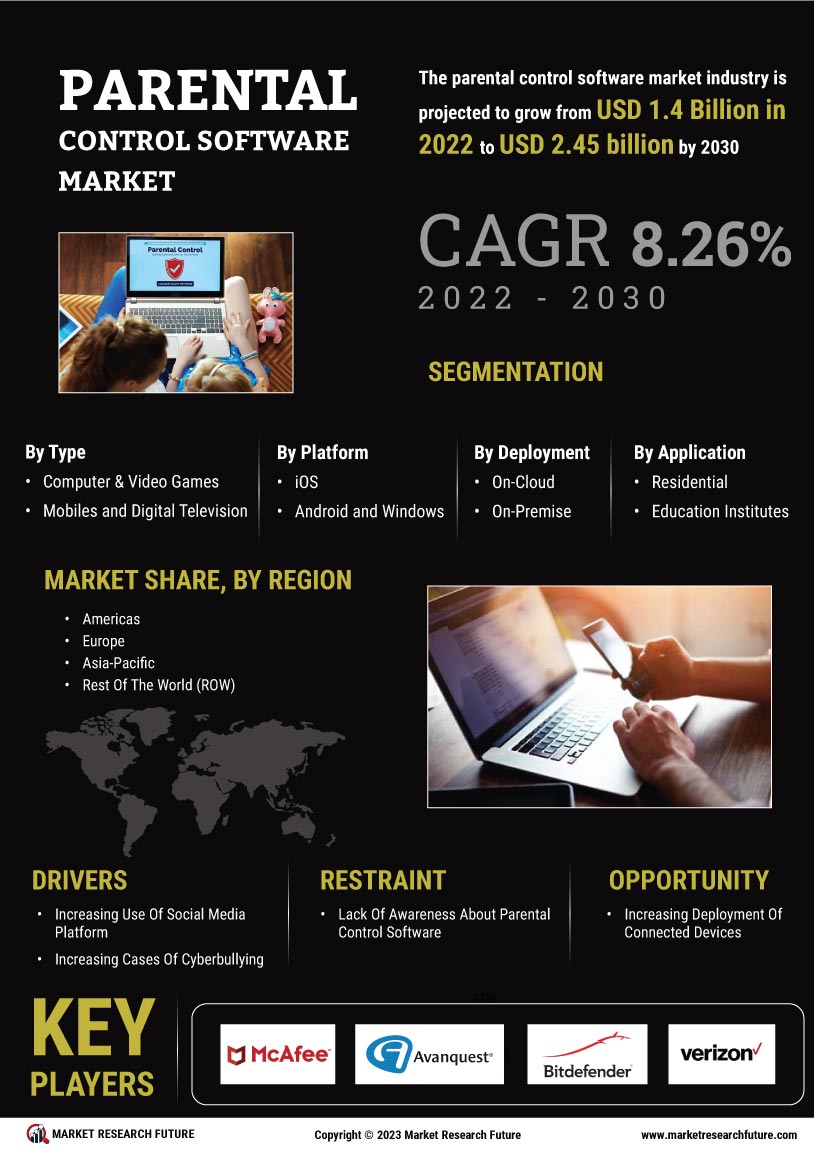
    As consumer behavior continues to evolve, IPTV platforms must remain agile and responsive. By aligning content strategies, pricing models, and technological innovation with viewer expectations, IPTV providers can sustain growth and relevance. Consumer-centric design will remain a key driver shaping the future of digital television services.@https://www.marketresearchfuture.com/reports/parental-control-software-market-4551
    The Internet Protocol Television Market has grown rapidly due to shifting consumer behavior and evolving expectations around media consumption. Modern audiences seek flexibility, personalization, and instant access to content, all of which IPTV platforms deliver effectively. Understanding consumer preferences is essential for grasping why IPTV continues to gain momentum across diverse demographics and regions. One of the most notable trends influencing IPTV adoption is the preference for on-demand content. Viewers increasingly favor the ability to choose programs rather than follow predetermined schedules. This autonomy aligns with busy lifestyles and fragmented viewing habits. IPTV platforms cater to this demand by offering extensive libraries of movies, series, documentaries, and live programming accessible at any time. Personalization has become a central component of the IPTV experience. Recommendation engines analyze viewing history and preferences to suggest relevant content, enhancing user satisfaction. Personalized interfaces make content discovery easier and more engaging, reducing the time spent searching for programs. This tailored approach resonates strongly with digital-savvy consumers accustomed to customized online experiences. Price sensitivity also influences IPTV adoption. Consumers are increasingly evaluating the value they receive from entertainment services. IPTV’s flexible subscription models, including tiered packages and add-on services, allow users to pay for what they actually watch. This perceived value for money makes IPTV an attractive alternative to traditional cable subscriptions with fixed channel bundles. Device usage patterns further support IPTV growth. The widespread use of smart TVs, streaming devices, and mobile phones enables IPTV access across multiple platforms. Younger consumers, in particular, prefer mobile viewing, while families appreciate multi-screen options. IPTV’s adaptability to different devices ensures relevance across age groups and viewing preferences. Content localization plays a vital role in attracting diverse audiences. IPTV providers increasingly offer regional languages, culturally relevant programming, and localized content libraries. This approach strengthens engagement in emerging markets and multicultural societies. By addressing local tastes while offering global content, IPTV platforms create a balanced entertainment ecosystem. Social influence and peer recommendations also impact IPTV adoption. Viewers often discover new content through social media discussions, reviews, and shared experiences. IPTV platforms that integrate social features or promote shareable content benefit from organic growth driven by community engagement. Trust and reliability are essential for long-term consumer retention. Viewers expect consistent streaming quality, minimal downtime, and responsive customer support. Service providers that prioritize user experience build strong brand loyalty, encouraging continued subscriptions and positive word-of-mouth promotion. As consumer behavior continues to evolve, IPTV platforms must remain agile and responsive. By aligning content strategies, pricing models, and technological innovation with viewer expectations, IPTV providers can sustain growth and relevance. Consumer-centric design will remain a key driver shaping the future of digital television services.@https://www.marketresearchfuture.com/reports/parental-control-software-market-4551
    WWW.MARKETRESEARCHFUTURE.COM
    Parental Control Software Market Size, Global Analysis | 2035 MRFR
    Parental Control Software Market is Expected to Reach from USD 1.78 Billion to 3.93 Billion by 2035, Growing at a CAGR of 8.26% During Forecast 2025 - 2035
    ·22 Views ·0 Reviews
  • The implementation of data governance strategies offers numerous benefits for organizations, including improved data quality, enhanced compliance, and better decision-making processes. These advantages are crucial for maintaining a competitive edge in the market. As organizations increasingly rely on data to drive their strategies, the importance of effective data governance cannot be overstated.

    One of the primary benefits of data governance is the improvement of data quality. By establishing clear standards and processes for data management, organizations can ensure that their data is accurate, consistent, and up-to-date. High-quality data is essential for making informed decisions, as it provides the foundation for analysis and reporting. When organizations invest in data governance, they can significantly reduce the risks associated with poor data quality, such as incorrect insights and misguided strategies.

    In addition to enhancing data quality, effective data governance also helps organizations comply with legal and regulatory requirements. With the increasing complexity of data regulations, such as GDPR and CCPA, organizations must ensure that they are managing their data in compliance with these laws. A robust data governance framework provides the necessary guidelines and processes to ensure compliance, reducing the risk of penalties and legal issues. By demonstrating a commitment to data governance, organizations can build trust with their customers and stakeholders, which is essential in today’s data-driven environment.

    Another significant benefit of data governance is the ability to improve decision-making processes. With reliable and accurate data at their disposal, organizations can make better-informed decisions that align with their strategic objectives. Data governance ensures that decision-makers have access to the right data at the right time, enabling them to respond quickly to changing market conditions and customer needs. This agility is critical for organizations looking to maintain a competitive advantage in an increasingly dynamic business landscape.

    Furthermore, data governance fosters a culture of accountability within organizations. By clearly defining roles and responsibilities related to data management, organizations can ensure that everyone understands their part in maintaining data quality and security. This accountability is essential for building trust in the data being used for strategic decisions. When employees are empowered to take ownership of their data responsibilities, organizations can create a more collaborative and transparent data management environment.

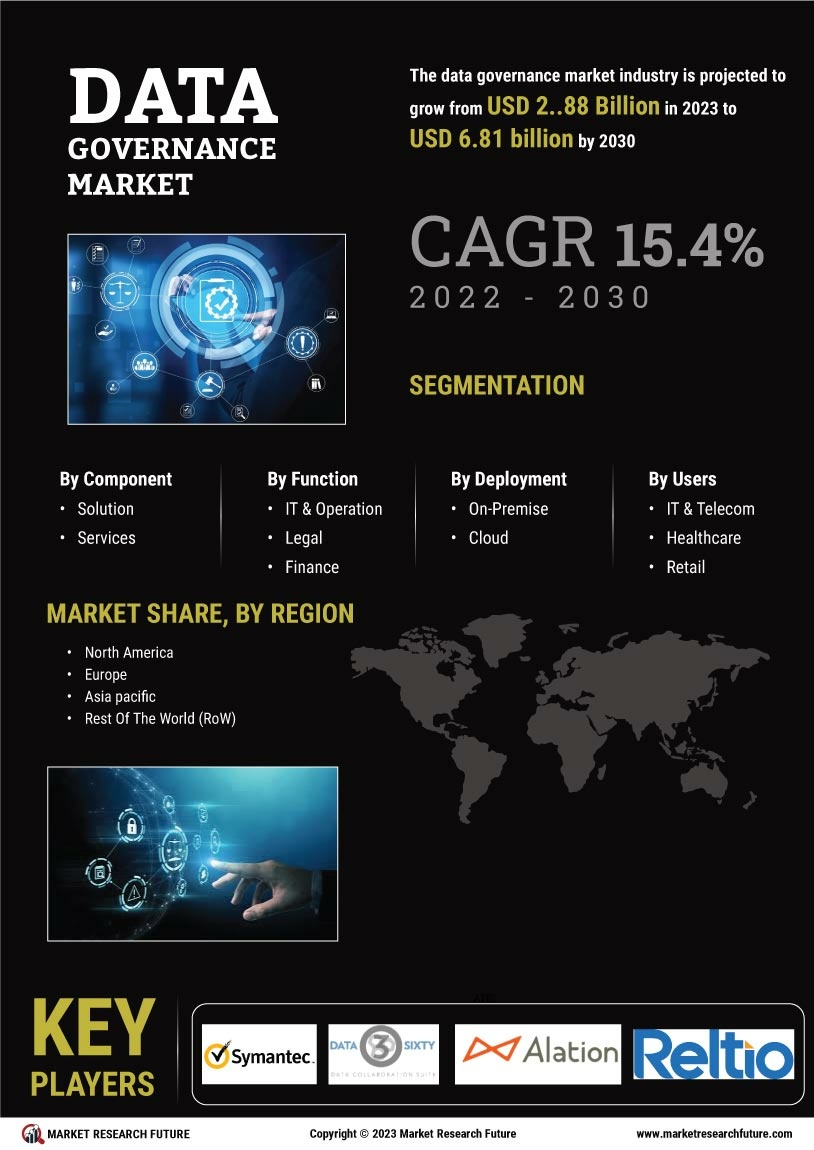
    In conclusion, the benefits of data governance for organizations are substantial. From improved data quality and compliance to enhanced decision-making and accountability, effective data governance is essential for organizations looking to leverage their data assets successfully. As the importance of data continues to grow, investing in data governance will be critical for achieving long-term success.@https://www.marketresearchfuture.com/reports/data-governance-market-2362
    The implementation of data governance strategies offers numerous benefits for organizations, including improved data quality, enhanced compliance, and better decision-making processes. These advantages are crucial for maintaining a competitive edge in the market. As organizations increasingly rely on data to drive their strategies, the importance of effective data governance cannot be overstated. One of the primary benefits of data governance is the improvement of data quality. By establishing clear standards and processes for data management, organizations can ensure that their data is accurate, consistent, and up-to-date. High-quality data is essential for making informed decisions, as it provides the foundation for analysis and reporting. When organizations invest in data governance, they can significantly reduce the risks associated with poor data quality, such as incorrect insights and misguided strategies. In addition to enhancing data quality, effective data governance also helps organizations comply with legal and regulatory requirements. With the increasing complexity of data regulations, such as GDPR and CCPA, organizations must ensure that they are managing their data in compliance with these laws. A robust data governance framework provides the necessary guidelines and processes to ensure compliance, reducing the risk of penalties and legal issues. By demonstrating a commitment to data governance, organizations can build trust with their customers and stakeholders, which is essential in today’s data-driven environment. Another significant benefit of data governance is the ability to improve decision-making processes. With reliable and accurate data at their disposal, organizations can make better-informed decisions that align with their strategic objectives. Data governance ensures that decision-makers have access to the right data at the right time, enabling them to respond quickly to changing market conditions and customer needs. This agility is critical for organizations looking to maintain a competitive advantage in an increasingly dynamic business landscape. Furthermore, data governance fosters a culture of accountability within organizations. By clearly defining roles and responsibilities related to data management, organizations can ensure that everyone understands their part in maintaining data quality and security. This accountability is essential for building trust in the data being used for strategic decisions. When employees are empowered to take ownership of their data responsibilities, organizations can create a more collaborative and transparent data management environment. In conclusion, the benefits of data governance for organizations are substantial. From improved data quality and compliance to enhanced decision-making and accountability, effective data governance is essential for organizations looking to leverage their data assets successfully. As the importance of data continues to grow, investing in data governance will be critical for achieving long-term success.@https://www.marketresearchfuture.com/reports/data-governance-market-2362
    WWW.MARKETRESEARCHFUTURE.COM
    Data Governance Market Size, Trends, Growth Drivers 2035
    Data Governance Market is Expected to Grow a Valuation of USD 14.45 Billion by 2035, Reaching at a CAGR of 15.02% During the Forecast Period 2025 - 2035
    ·22 Views ·0 Reviews
  • As the podcasting market continues to expand, many creators are exploring innovative ways to monetize their content. From sponsorship deals to subscription models, there are numerous strategies to generate revenue and achieve sustainable growth.

    One of the most common monetization strategies in the podcasting market is advertising. Brands and advertisers have recognized the power of podcast audiences, with their high levels of engagement and loyalty. Podcast hosts often read host-read ads, which can be highly effective in driving brand awareness and product sales. Additionally, dynamic ad insertion allows for the seamless integration of targeted advertisements within podcast episodes, providing creators with a scalable revenue stream.

    However, securing lucrative advertising deals can be challenging, especially for smaller or newer podcasts. Creators must build a sizable and engaged audience to attract the attention of advertisers. Developing a strong brand identity, consistent content quality, and measurable listener metrics are crucial in this regard.

    Another monetization approach gaining traction in the podcasting market is the subscription model. By offering premium or exclusive content to paying subscribers, creators can generate a recurring revenue stream and foster a deeper connection with their most dedicated listeners. This model can be particularly effective for niche or highly specialized podcasts, where the audience is willing to pay for unique and valuable content.

    Subscription-based podcasts may offer a range of benefits to subscribers, such as ad-free episodes, early access to new content, exclusive interviews, or behind-the-scenes insights. Creators must carefully curate the subscriber experience to ensure that the perceived value aligns with the subscription fee.

    Merchandise sales and live events are also emerging as viable monetization strategies in the podcasting market. Leveraging the loyalty and enthusiasm of their audience, creators can develop branded merchandise, such as t-shirts, mugs, or tote bags, and sell them directly to listeners. Live events, such as podcast-themed meetups, workshops, or live recordings, can also generate revenue while fostering a sense of community among the audience.

    Crowdfunding platforms, such as Patreon or Ko-Fi, have also become popular tools for podcast monetization. These platforms allow listeners to directly support their favorite creators through recurring or one-time donations, often in exchange for exclusive content, behind-the-scenes access, or other perks.

    Diversifying revenue streams is crucial for the long-term sustainability of a podcast. By exploring a combination of monetization strategies, creators can mitigate the risks associated with relying on a single source of income and ensure the longevity of their show.

    However, monetization efforts must be balanced with the needs and expectations of the audience. Creators must be mindful of maintaining a delicate equilibrium between generating revenue and preserving the listener experience. Excessive advertising, paywalled content, or overly commercialized live events can alienate the audience and undermine the trust that has been built.

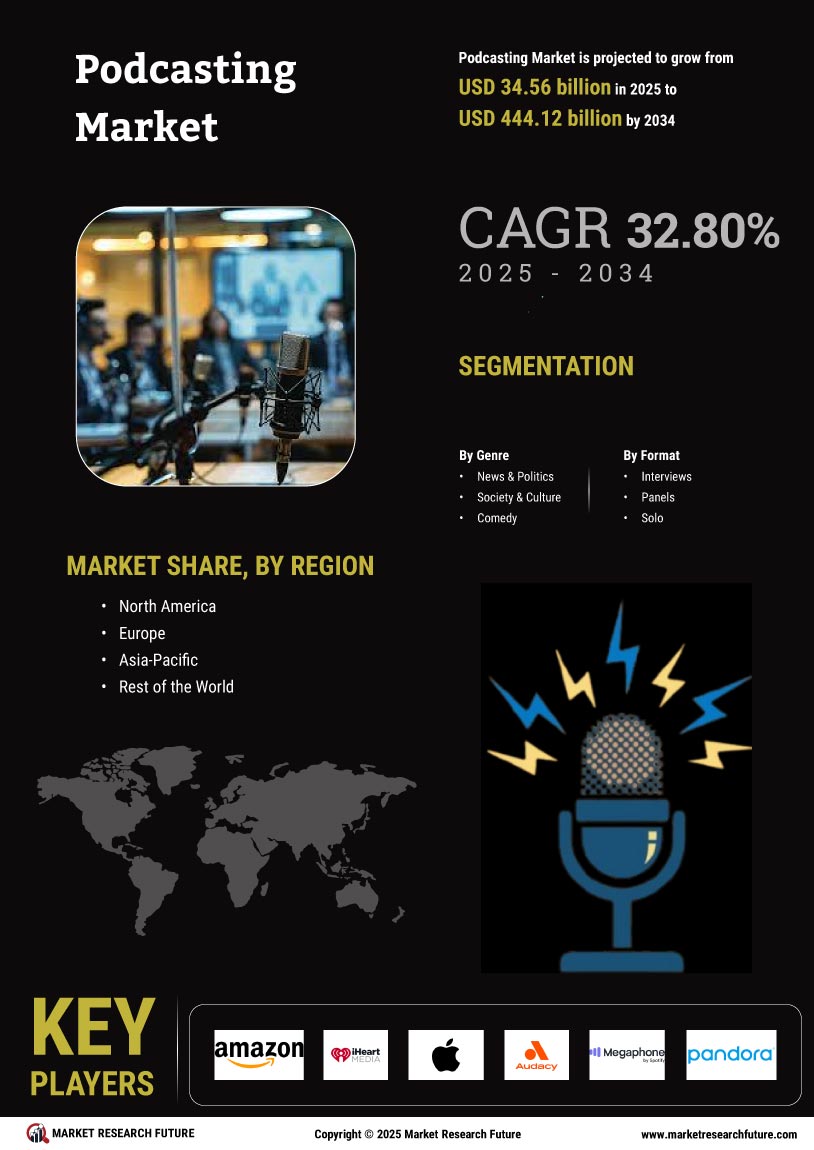
    To navigate this challenge, successful podcasters often prioritize audience engagement and content quality over short-term revenue maximization. By fostering a loyal and engaged listener base, they can then explore monetization strategies that align with the audience's needs and preferences, ultimately leading to sustainable growth.@https://www.marketresearchfuture.com/reports/podcasting-market-11678
    As the podcasting market continues to expand, many creators are exploring innovative ways to monetize their content. From sponsorship deals to subscription models, there are numerous strategies to generate revenue and achieve sustainable growth. One of the most common monetization strategies in the podcasting market is advertising. Brands and advertisers have recognized the power of podcast audiences, with their high levels of engagement and loyalty. Podcast hosts often read host-read ads, which can be highly effective in driving brand awareness and product sales. Additionally, dynamic ad insertion allows for the seamless integration of targeted advertisements within podcast episodes, providing creators with a scalable revenue stream. However, securing lucrative advertising deals can be challenging, especially for smaller or newer podcasts. Creators must build a sizable and engaged audience to attract the attention of advertisers. Developing a strong brand identity, consistent content quality, and measurable listener metrics are crucial in this regard. Another monetization approach gaining traction in the podcasting market is the subscription model. By offering premium or exclusive content to paying subscribers, creators can generate a recurring revenue stream and foster a deeper connection with their most dedicated listeners. This model can be particularly effective for niche or highly specialized podcasts, where the audience is willing to pay for unique and valuable content. Subscription-based podcasts may offer a range of benefits to subscribers, such as ad-free episodes, early access to new content, exclusive interviews, or behind-the-scenes insights. Creators must carefully curate the subscriber experience to ensure that the perceived value aligns with the subscription fee. Merchandise sales and live events are also emerging as viable monetization strategies in the podcasting market. Leveraging the loyalty and enthusiasm of their audience, creators can develop branded merchandise, such as t-shirts, mugs, or tote bags, and sell them directly to listeners. Live events, such as podcast-themed meetups, workshops, or live recordings, can also generate revenue while fostering a sense of community among the audience. Crowdfunding platforms, such as Patreon or Ko-Fi, have also become popular tools for podcast monetization. These platforms allow listeners to directly support their favorite creators through recurring or one-time donations, often in exchange for exclusive content, behind-the-scenes access, or other perks. Diversifying revenue streams is crucial for the long-term sustainability of a podcast. By exploring a combination of monetization strategies, creators can mitigate the risks associated with relying on a single source of income and ensure the longevity of their show. However, monetization efforts must be balanced with the needs and expectations of the audience. Creators must be mindful of maintaining a delicate equilibrium between generating revenue and preserving the listener experience. Excessive advertising, paywalled content, or overly commercialized live events can alienate the audience and undermine the trust that has been built. To navigate this challenge, successful podcasters often prioritize audience engagement and content quality over short-term revenue maximization. By fostering a loyal and engaged listener base, they can then explore monetization strategies that align with the audience's needs and preferences, ultimately leading to sustainable growth.@https://www.marketresearchfuture.com/reports/podcasting-market-11678
    WWW.MARKETRESEARCHFUTURE.COM
    Podcasting Market Size, Growth Report - 2035
    Podcasting Market is Estimated to Grow $ 589.81B By 2035, Reaching at a CAGR of 32.80% During the Forecast Period 2025 - 2035 | Drives Market Growth trend
    ·11 Views ·0 Reviews
  • The spectrum analyzer market plays a crucial role in the telecommunications sector, where precise frequency analysis is essential for maintaining network integrity and performance. With the rapid expansion of mobile networks and the advent of 5G technology, the demand for sophisticated spectrum analyzers is at an all-time high. Spectrum analyzers are used to measure and analyze the frequency spectrum of signals, enabling engineers to identify issues related to signal quality, interference, and compliance with regulatory standards. This capability is vital for ensuring that communication systems operate effectively and efficiently.

    In telecommunications, spectrum analyzers assist in network design and optimization by providing critical data on signal strength, quality, and interference. Engineers use these tools to plan and deploy networks, ensuring that signals are transmitted and received without disruption. Additionally, spectrum analyzers play a crucial role in monitoring signal quality, allowing telecom operators to detect and address issues before they impact service. This proactive approach to signal monitoring is essential in maintaining customer satisfaction and ensuring compliance with regulatory requirements.

    Compliance testing is another important application of spectrum analyzers in the telecommunications industry. Regulatory bodies impose strict standards on signal quality and interference levels to ensure the integrity of communication systems. Spectrum analyzers help telecom operators demonstrate compliance with these regulations, providing the necessary data to support their claims. As the telecommunications landscape continues to evolve, particularly with the rollout of 5G technology, the need for robust spectrum analysis will only increase.

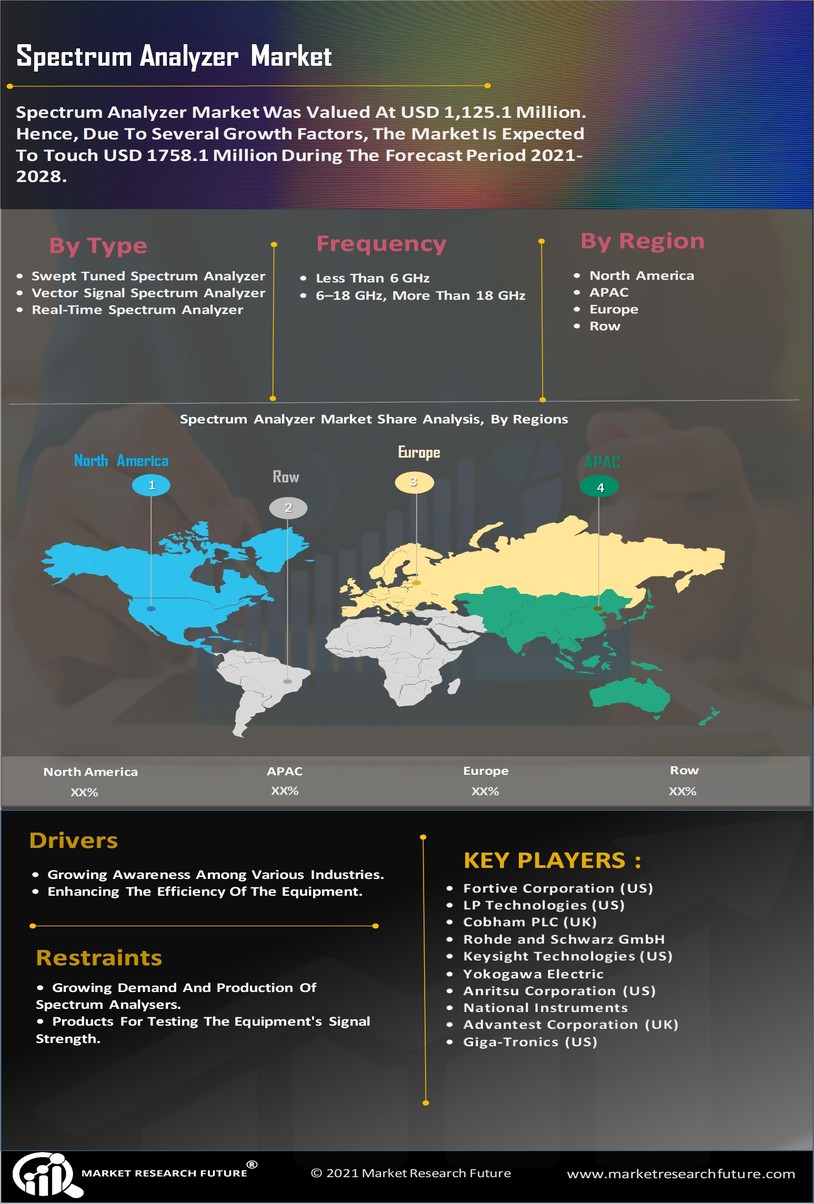
    Case studies from leading telecom companies illustrate the importance of spectrum analyzers in enhancing network performance. For instance, a major telecommunications provider implemented real-time spectrum analysis to optimize its network during peak usage times. By identifying and mitigating interference, the company was able to improve service quality and reduce customer complaints. As the industry continues to embrace new technologies and expand its offerings, the role of spectrum analyzers will remain critical in ensuring the reliability and performance of telecommunications networks.@https://www.marketresearchfuture.com/reports/spectrum-analyzer-market-7403
    The spectrum analyzer market plays a crucial role in the telecommunications sector, where precise frequency analysis is essential for maintaining network integrity and performance. With the rapid expansion of mobile networks and the advent of 5G technology, the demand for sophisticated spectrum analyzers is at an all-time high. Spectrum analyzers are used to measure and analyze the frequency spectrum of signals, enabling engineers to identify issues related to signal quality, interference, and compliance with regulatory standards. This capability is vital for ensuring that communication systems operate effectively and efficiently. In telecommunications, spectrum analyzers assist in network design and optimization by providing critical data on signal strength, quality, and interference. Engineers use these tools to plan and deploy networks, ensuring that signals are transmitted and received without disruption. Additionally, spectrum analyzers play a crucial role in monitoring signal quality, allowing telecom operators to detect and address issues before they impact service. This proactive approach to signal monitoring is essential in maintaining customer satisfaction and ensuring compliance with regulatory requirements. Compliance testing is another important application of spectrum analyzers in the telecommunications industry. Regulatory bodies impose strict standards on signal quality and interference levels to ensure the integrity of communication systems. Spectrum analyzers help telecom operators demonstrate compliance with these regulations, providing the necessary data to support their claims. As the telecommunications landscape continues to evolve, particularly with the rollout of 5G technology, the need for robust spectrum analysis will only increase. Case studies from leading telecom companies illustrate the importance of spectrum analyzers in enhancing network performance. For instance, a major telecommunications provider implemented real-time spectrum analysis to optimize its network during peak usage times. By identifying and mitigating interference, the company was able to improve service quality and reduce customer complaints. As the industry continues to embrace new technologies and expand its offerings, the role of spectrum analyzers will remain critical in ensuring the reliability and performance of telecommunications networks.@https://www.marketresearchfuture.com/reports/spectrum-analyzer-market-7403
    WWW.MARKETRESEARCHFUTURE.COM
    Spectrum Analyzer Market Size, Growth Analysis - 2030
    The Spectrum Analyzer Market size is projected to grow USD 2.6 Billion by 2030, exhibiting a CAGR of 8.24% during the forecast period 2024 - 2030.
    ·10 Views ·0 Reviews
  • The Supply Chain as a Service (SCaaS) model offers numerous advantages for businesses seeking to optimize their supply chain processes. By outsourcing supply chain functions, companies can focus on their core competencies while reaping the benefits of advanced logistics solutions. SCaaS provides a flexible and scalable framework that allows organizations to adapt to changing market conditions and customer demands. This article will explore the key benefits of implementing SCaaS, including cost efficiency, scalability, enhanced visibility, risk management, and improved customer satisfaction.

    One of the primary benefits of SCaaS is cost efficiency. By outsourcing supply chain operations, businesses can significantly reduce overhead costs associated with maintaining in-house logistics and warehousing capabilities. SCaaS providers leverage economies of scale, allowing them to offer competitive pricing and pass savings on to their clients. Additionally, businesses can avoid the capital expenditures required for infrastructure investments, enabling them to allocate resources more effectively.

    Scalability is another significant advantage of the SCaaS model. Businesses can easily scale their supply chain operations up or down based on demand fluctuations without the burden of long-term commitments. This flexibility is particularly valuable in industries with seasonal demand variations, where companies need to adjust their operations quickly to meet changing customer needs. SCaaS allows organizations to respond to market dynamics more effectively, enhancing their overall agility.

    Enhanced visibility is a critical benefit of adopting SCaaS. With real-time access to supply chain data, businesses can track shipments, monitor inventory levels, and manage orders more effectively. This visibility enables organizations to make informed decisions, optimize inventory management, and improve overall supply chain performance. Furthermore, SCaaS providers often offer advanced analytics capabilities, allowing businesses to gain insights into their supply chain operations and identify areas for improvement.

    Risk management is another crucial aspect of SCaaS. By outsourcing supply chain functions, businesses can mitigate risks associated with disruptions, such as natural disasters or geopolitical events. SCaaS providers typically have contingency plans and robust risk management strategies in place, ensuring continuity of operations even in challenging circumstances. This proactive approach to risk management enhances business resilience and protects against potential losses.

    Finally, improved customer satisfaction is a key benefit of implementing SCaaS. By leveraging the expertise of specialized providers, organizations can enhance service levels, reduce lead times, and improve order accuracy. This, in turn, leads to higher customer satisfaction and loyalty. In today’s competitive marketplace, delivering exceptional customer experiences is crucial for business success, and SCaaS enables organizations to achieve this goal.

    In conclusion, the benefits of implementing SCaaS are significant and multifaceted. By outsourcing supply chain operations, businesses can achieve cost efficiency, scalability, enhanced visibility, effective risk management, and improved customer satisfaction. As the demand for innovative supply chain solutions continues to grow, organizations that embrace the SCaaS model are likely to gain a competitive edge in an increasingly complex business environment.@https://www.marketresearchfuture.com/reports/supply-chain-as-a-service-scaas-market-26450
    The Supply Chain as a Service (SCaaS) model offers numerous advantages for businesses seeking to optimize their supply chain processes. By outsourcing supply chain functions, companies can focus on their core competencies while reaping the benefits of advanced logistics solutions. SCaaS provides a flexible and scalable framework that allows organizations to adapt to changing market conditions and customer demands. This article will explore the key benefits of implementing SCaaS, including cost efficiency, scalability, enhanced visibility, risk management, and improved customer satisfaction. One of the primary benefits of SCaaS is cost efficiency. By outsourcing supply chain operations, businesses can significantly reduce overhead costs associated with maintaining in-house logistics and warehousing capabilities. SCaaS providers leverage economies of scale, allowing them to offer competitive pricing and pass savings on to their clients. Additionally, businesses can avoid the capital expenditures required for infrastructure investments, enabling them to allocate resources more effectively. Scalability is another significant advantage of the SCaaS model. Businesses can easily scale their supply chain operations up or down based on demand fluctuations without the burden of long-term commitments. This flexibility is particularly valuable in industries with seasonal demand variations, where companies need to adjust their operations quickly to meet changing customer needs. SCaaS allows organizations to respond to market dynamics more effectively, enhancing their overall agility. Enhanced visibility is a critical benefit of adopting SCaaS. With real-time access to supply chain data, businesses can track shipments, monitor inventory levels, and manage orders more effectively. This visibility enables organizations to make informed decisions, optimize inventory management, and improve overall supply chain performance. Furthermore, SCaaS providers often offer advanced analytics capabilities, allowing businesses to gain insights into their supply chain operations and identify areas for improvement. Risk management is another crucial aspect of SCaaS. By outsourcing supply chain functions, businesses can mitigate risks associated with disruptions, such as natural disasters or geopolitical events. SCaaS providers typically have contingency plans and robust risk management strategies in place, ensuring continuity of operations even in challenging circumstances. This proactive approach to risk management enhances business resilience and protects against potential losses. Finally, improved customer satisfaction is a key benefit of implementing SCaaS. By leveraging the expertise of specialized providers, organizations can enhance service levels, reduce lead times, and improve order accuracy. This, in turn, leads to higher customer satisfaction and loyalty. In today’s competitive marketplace, delivering exceptional customer experiences is crucial for business success, and SCaaS enables organizations to achieve this goal. In conclusion, the benefits of implementing SCaaS are significant and multifaceted. By outsourcing supply chain operations, businesses can achieve cost efficiency, scalability, enhanced visibility, effective risk management, and improved customer satisfaction. As the demand for innovative supply chain solutions continues to grow, organizations that embrace the SCaaS model are likely to gain a competitive edge in an increasingly complex business environment.@https://www.marketresearchfuture.com/reports/supply-chain-as-a-service-scaas-market-26450
    WWW.MARKETRESEARCHFUTURE.COM
    Supply Chain As A Service Scaas Market Report 2035 | MRFR
    Supply Chain As A Service Scaas Market Is Projected To Reach $ 396.42B by 2035, Growing at a CAGR of 20.96% During 2025 - 2035 | Integration Of Ai Technologies
    ·23 Views ·0 Reviews
  • Storage as a Service offers a multitude of benefits for small and medium enterprises (SMEs), enabling them to compete with larger organizations by minimizing IT costs and maximizing efficiency. This model allows SMEs to scale their storage needs based on demand, thus optimizing resource allocation and ensuring that they only pay for what they use. For more information on this topic, visit the Storage as a Service Market.

    One of the primary advantages of STaaS for SMEs is cost efficiency. Traditional storage solutions often require substantial upfront investments in hardware and infrastructure, which can be prohibitive for smaller businesses. In contrast, STaaS operates on a subscription basis, allowing SMEs to allocate their budgets more effectively and avoid the financial burden of maintaining physical storage systems.

    Additionally, STaaS enhances accessibility and collaboration. Employees can access data from anywhere with an internet connection, facilitating remote work and improving team collaboration. This flexibility is particularly beneficial for SMEs that may not have the resources to invest in complex IT infrastructures. Furthermore, many STaaS providers offer robust security features, including encryption and regular backups, which help protect sensitive data and ensure business continuity.

    The ability to quickly scale storage capacity is another significant benefit for SMEs. As businesses grow and data needs increase, STaaS allows for easy adjustments without the need for extensive planning or additional investments. This scalability ensures that SMEs can respond to changing market conditions and customer demands more effectively.

    In conclusion, Storage as a Service provides SMEs with a competitive edge by offering cost-effective, scalable, and secure storage solutions. As the market continues to evolve, SMEs that leverage STaaS can enhance their operational efficiency and focus on their core business objectives.@https://www.marketresearchfuture.com/reports/storage-as-a-service-market-26488
    Storage as a Service offers a multitude of benefits for small and medium enterprises (SMEs), enabling them to compete with larger organizations by minimizing IT costs and maximizing efficiency. This model allows SMEs to scale their storage needs based on demand, thus optimizing resource allocation and ensuring that they only pay for what they use. For more information on this topic, visit the Storage as a Service Market. One of the primary advantages of STaaS for SMEs is cost efficiency. Traditional storage solutions often require substantial upfront investments in hardware and infrastructure, which can be prohibitive for smaller businesses. In contrast, STaaS operates on a subscription basis, allowing SMEs to allocate their budgets more effectively and avoid the financial burden of maintaining physical storage systems. Additionally, STaaS enhances accessibility and collaboration. Employees can access data from anywhere with an internet connection, facilitating remote work and improving team collaboration. This flexibility is particularly beneficial for SMEs that may not have the resources to invest in complex IT infrastructures. Furthermore, many STaaS providers offer robust security features, including encryption and regular backups, which help protect sensitive data and ensure business continuity. The ability to quickly scale storage capacity is another significant benefit for SMEs. As businesses grow and data needs increase, STaaS allows for easy adjustments without the need for extensive planning or additional investments. This scalability ensures that SMEs can respond to changing market conditions and customer demands more effectively. In conclusion, Storage as a Service provides SMEs with a competitive edge by offering cost-effective, scalable, and secure storage solutions. As the market continues to evolve, SMEs that leverage STaaS can enhance their operational efficiency and focus on their core business objectives.@https://www.marketresearchfuture.com/reports/storage-as-a-service-market-26488
    WWW.MARKETRESEARCHFUTURE.COM
    Storage As A Service Market Size | Industry Forecast 2035
    Storage As A Service Market Is Projected To Reach a Valuation of $ 480.48B by 2035, Growing at a CAGR of 17.72% During 2025 - 2035 | Increasing Elderly Population
    ·32 Views ·0 Reviews
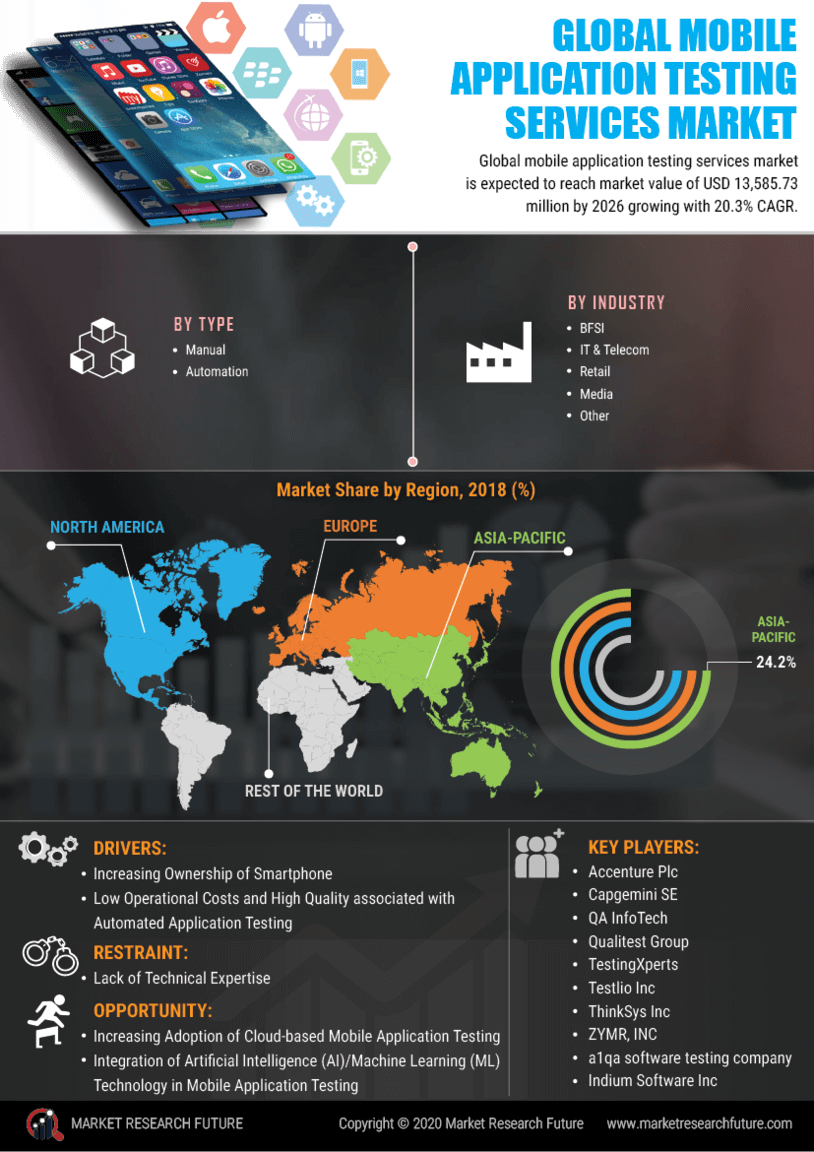
  • The mobile application testing services market encompasses a variety of testing types, each designed to ensure that applications function optimally across different platforms and devices. The Mobile Application Testing Services Market is vital for businesses seeking to deliver high-quality applications that meet user needs. This article explores the different types of mobile application testing services and their significance in the development process.

    Functional testing is one of the primary types of mobile application testing. It focuses on verifying that the application performs its intended functions correctly. This type of testing ensures that all features work as expected, providing a seamless user experience. Functional testing can be conducted manually or through automated testing tools, depending on the complexity of the application.

    Performance testing is another crucial aspect of mobile application testing. It assesses the application's responsiveness, stability, and scalability under various conditions. Performance testing helps identify potential bottlenecks and ensures that the application can handle a large number of users without compromising performance. This type of testing is particularly important for applications that experience high traffic or require real-time processing.

    Security testing is essential in today's digital landscape, where data breaches and cyber threats are prevalent. This type of testing identifies vulnerabilities within the application and assesses its ability to protect sensitive user information. Security testing involves various techniques, including penetration testing, vulnerability scanning, and risk assessment. By prioritizing security testing, businesses can safeguard user data and maintain trust.

    Usability testing focuses on evaluating the user experience of the application. It assesses how intuitive and user-friendly the application is, gathering feedback from real users to identify areas for improvement. Usability testing is crucial for ensuring that users can navigate the application easily and complete tasks without frustration. This type of testing often involves A/B testing, user interviews, and observational studies.

    Compatibility testing verifies that the application works seamlessly across different devices, operating systems, and network environments. Given the diverse range of mobile devices available, compatibility testing is essential for ensuring that users have a consistent experience, regardless of their device. This type of testing helps identify any issues related to display, functionality, or performance on various platforms.

    Regression testing is another important type of mobile application testing. It involves retesting the application after changes have been made, such as bug fixes or new feature implementations. Regression testing ensures that existing functionality remains intact and that new changes do not introduce new issues. This type of testing is essential for maintaining application quality throughout the development lifecycle.

    The mobile application testing services market is also witnessing the emergence of specialized testing services, such as localization testing and accessibility testing. Localization testing ensures that the application is culturally and linguistically appropriate for different regions, while accessibility testing verifies that the application is usable by individuals with disabilities. These specialized testing services are becoming increasingly important as businesses seek to reach diverse audiences.

    In conclusion, the mobile application testing services market comprises various testing types, each playing a crucial role in ensuring application quality. From functional and performance testing to security and usability testing, these services help businesses deliver high-quality applications that meet user expectations. By investing in comprehensive testing solutions, companies can enhance their app performance, improve user satisfaction, and gain a competitive advantage in the dynamic mobile application landscape.@https://www.marketresearchfuture.com/reports/mobile-application-testing-services-market-8615
    The mobile application testing services market encompasses a variety of testing types, each designed to ensure that applications function optimally across different platforms and devices. The Mobile Application Testing Services Market is vital for businesses seeking to deliver high-quality applications that meet user needs. This article explores the different types of mobile application testing services and their significance in the development process. Functional testing is one of the primary types of mobile application testing. It focuses on verifying that the application performs its intended functions correctly. This type of testing ensures that all features work as expected, providing a seamless user experience. Functional testing can be conducted manually or through automated testing tools, depending on the complexity of the application. Performance testing is another crucial aspect of mobile application testing. It assesses the application's responsiveness, stability, and scalability under various conditions. Performance testing helps identify potential bottlenecks and ensures that the application can handle a large number of users without compromising performance. This type of testing is particularly important for applications that experience high traffic or require real-time processing. Security testing is essential in today's digital landscape, where data breaches and cyber threats are prevalent. This type of testing identifies vulnerabilities within the application and assesses its ability to protect sensitive user information. Security testing involves various techniques, including penetration testing, vulnerability scanning, and risk assessment. By prioritizing security testing, businesses can safeguard user data and maintain trust. Usability testing focuses on evaluating the user experience of the application. It assesses how intuitive and user-friendly the application is, gathering feedback from real users to identify areas for improvement. Usability testing is crucial for ensuring that users can navigate the application easily and complete tasks without frustration. This type of testing often involves A/B testing, user interviews, and observational studies. Compatibility testing verifies that the application works seamlessly across different devices, operating systems, and network environments. Given the diverse range of mobile devices available, compatibility testing is essential for ensuring that users have a consistent experience, regardless of their device. This type of testing helps identify any issues related to display, functionality, or performance on various platforms. Regression testing is another important type of mobile application testing. It involves retesting the application after changes have been made, such as bug fixes or new feature implementations. Regression testing ensures that existing functionality remains intact and that new changes do not introduce new issues. This type of testing is essential for maintaining application quality throughout the development lifecycle. The mobile application testing services market is also witnessing the emergence of specialized testing services, such as localization testing and accessibility testing. Localization testing ensures that the application is culturally and linguistically appropriate for different regions, while accessibility testing verifies that the application is usable by individuals with disabilities. These specialized testing services are becoming increasingly important as businesses seek to reach diverse audiences. In conclusion, the mobile application testing services market comprises various testing types, each playing a crucial role in ensuring application quality. From functional and performance testing to security and usability testing, these services help businesses deliver high-quality applications that meet user expectations. By investing in comprehensive testing solutions, companies can enhance their app performance, improve user satisfaction, and gain a competitive advantage in the dynamic mobile application landscape.@https://www.marketresearchfuture.com/reports/mobile-application-testing-services-market-8615
    WWW.MARKETRESEARCHFUTURE.COM
    Mobile Application Testing Services Market Size, Trends - 2032
    Mobile Application Testing Services Market size is projected to grow USD 18.765 Billion by 2032, exhibiting a CAGR of 13.1% during the forecast period 2024-2032.
    ·29 Views ·0 Reviews
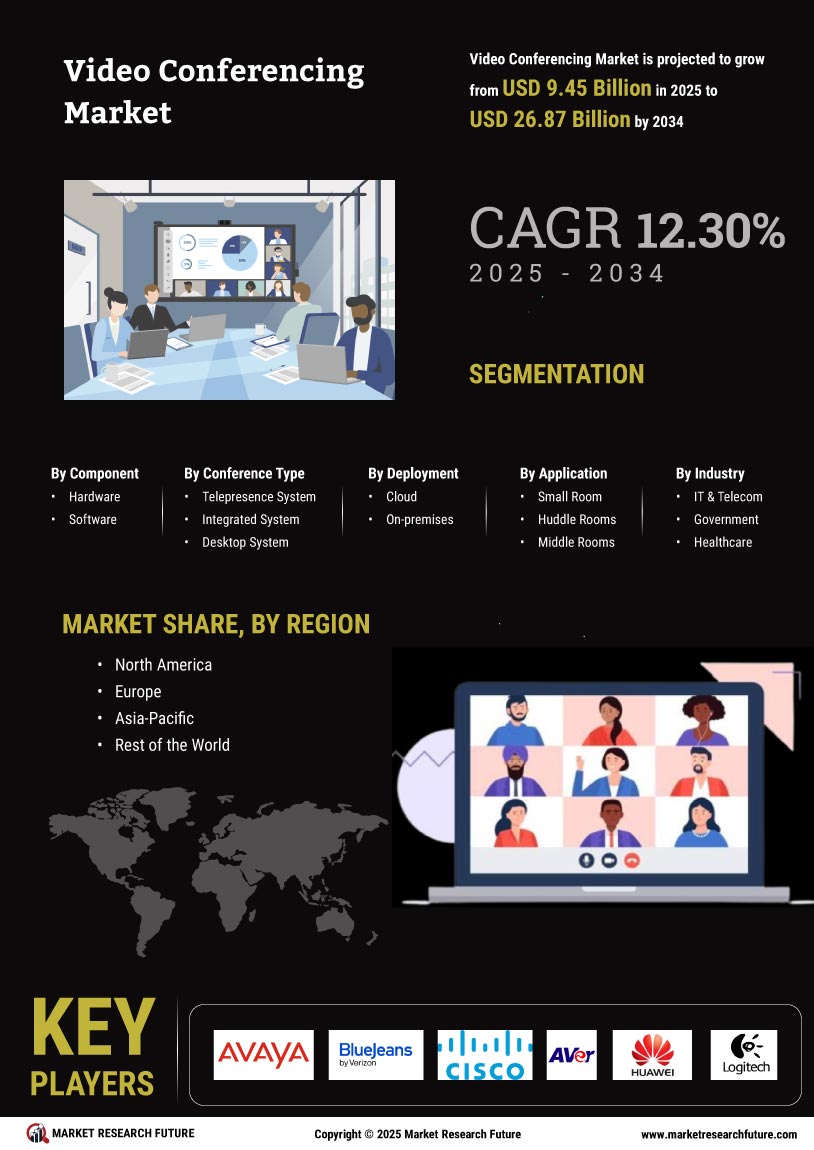
  • The video conferencing market is characterized by the presence of several key players that shape the competitive landscape. These companies have established themselves as leaders in the industry by offering innovative solutions and catering to the diverse needs of users. Understanding the major players and their strategies is essential for stakeholders looking to navigate the market effectively.

    Zoom Video Communications, Inc. is one of the most recognized names in the video conferencing space. Founded in 2011, Zoom gained widespread popularity during the COVID-19 pandemic due to its user-friendly interface and reliable performance. The platform offers a range of features, including virtual backgrounds, breakout rooms, and integrations with other productivity tools. Zoom's ability to scale from small meetings to large webinars has made it a preferred choice for businesses and educational institutions alike.

    Microsoft Teams is another major player in the video conferencing market, particularly favored by organizations already utilizing Microsoft Office 365. Teams combines video conferencing capabilities with collaboration tools, allowing users to chat, share files, and work together seamlessly. The integration of Microsoft’s suite of applications enhances the overall user experience, making Teams a comprehensive solution for remote work and communication.

    Cisco Webex, a longstanding player in the video conferencing arena, offers a robust platform designed for enterprise-level communication. Webex is known for its strong security features, making it a popular choice for organizations that prioritize data protection. The platform provides various tools for collaboration, including screen sharing, file sharing, and virtual meeting rooms. Cisco's reputation for reliability and security has solidified its position in the market.

    Google Meet, part of the Google Workspace suite, has also gained traction as a video conferencing solution. With its integration into Gmail and Google Calendar, users can easily schedule and join meetings with minimal effort. Google Meet emphasizes simplicity and accessibility, making it a popular choice for users who prefer a straightforward video conferencing experience. The platform has also introduced features such as live captions and noise cancellation to enhance usability.

    Other notable players in the video conferencing market include BlueJeans, GoToMeeting, and RingCentral. Each of these companies offers unique features and capabilities, catering to specific user needs. For instance, BlueJeans focuses on providing high-quality video and audio experiences, while GoToMeeting emphasizes ease of use and quick setup. RingCentral combines video conferencing with a comprehensive communication platform, allowing users to manage calls, messages, and meetings in one place.

    As the video conferencing market continues to evolve, these major players are constantly innovating to stay competitive. They invest in research and development to introduce new features, enhance security measures, and improve user experience. Additionally, partnerships and acquisitions play a significant role in shaping the competitive landscape, as companies seek to expand their offerings and reach new markets.

    In conclusion, the video conferencing market is dominated by several key players, each contributing to the industry's growth and development. Companies like Zoom, Microsoft Teams, Cisco Webex, and Google Meet have established themselves as leaders by offering innovative solutions that cater to the diverse needs of users. As the demand for video conferencing continues to rise, these players will play a crucial role in shaping the future of communication technology.@https://www.marketresearchfuture.com/reports/video-conferencing-market-12044
    The video conferencing market is characterized by the presence of several key players that shape the competitive landscape. These companies have established themselves as leaders in the industry by offering innovative solutions and catering to the diverse needs of users. Understanding the major players and their strategies is essential for stakeholders looking to navigate the market effectively. Zoom Video Communications, Inc. is one of the most recognized names in the video conferencing space. Founded in 2011, Zoom gained widespread popularity during the COVID-19 pandemic due to its user-friendly interface and reliable performance. The platform offers a range of features, including virtual backgrounds, breakout rooms, and integrations with other productivity tools. Zoom's ability to scale from small meetings to large webinars has made it a preferred choice for businesses and educational institutions alike. Microsoft Teams is another major player in the video conferencing market, particularly favored by organizations already utilizing Microsoft Office 365. Teams combines video conferencing capabilities with collaboration tools, allowing users to chat, share files, and work together seamlessly. The integration of Microsoft’s suite of applications enhances the overall user experience, making Teams a comprehensive solution for remote work and communication. Cisco Webex, a longstanding player in the video conferencing arena, offers a robust platform designed for enterprise-level communication. Webex is known for its strong security features, making it a popular choice for organizations that prioritize data protection. The platform provides various tools for collaboration, including screen sharing, file sharing, and virtual meeting rooms. Cisco's reputation for reliability and security has solidified its position in the market. Google Meet, part of the Google Workspace suite, has also gained traction as a video conferencing solution. With its integration into Gmail and Google Calendar, users can easily schedule and join meetings with minimal effort. Google Meet emphasizes simplicity and accessibility, making it a popular choice for users who prefer a straightforward video conferencing experience. The platform has also introduced features such as live captions and noise cancellation to enhance usability. Other notable players in the video conferencing market include BlueJeans, GoToMeeting, and RingCentral. Each of these companies offers unique features and capabilities, catering to specific user needs. For instance, BlueJeans focuses on providing high-quality video and audio experiences, while GoToMeeting emphasizes ease of use and quick setup. RingCentral combines video conferencing with a comprehensive communication platform, allowing users to manage calls, messages, and meetings in one place. As the video conferencing market continues to evolve, these major players are constantly innovating to stay competitive. They invest in research and development to introduce new features, enhance security measures, and improve user experience. Additionally, partnerships and acquisitions play a significant role in shaping the competitive landscape, as companies seek to expand their offerings and reach new markets. In conclusion, the video conferencing market is dominated by several key players, each contributing to the industry's growth and development. Companies like Zoom, Microsoft Teams, Cisco Webex, and Google Meet have established themselves as leaders by offering innovative solutions that cater to the diverse needs of users. As the demand for video conferencing continues to rise, these players will play a crucial role in shaping the future of communication technology.@https://www.marketresearchfuture.com/reports/video-conferencing-market-12044
    WWW.MARKETRESEARCHFUTURE.COM
    Video Conferencing Market Size, Global Reports - 2035
    Video Conferencing Market is Expected to Reach USD 30.18 Billion By 2035, Growing at a CAGR of 12.30% During 2025 - 2035 | Driven By Technological Advancements, Remote
    ·28 Views ·0 Reviews
  • The Website Builder Tool Market is gaining traction as businesses increasingly recognize the importance of an online presence for reaching global audiences. Traditional website development often required extensive technical skills, considerable time, and significant financial investment. In contrast, website builder tools have simplified the process, allowing users with little or no technical background to create professional websites efficiently. These tools offer drag-and-drop interfaces, pre-designed templates, customizable layouts, and integrated SEO features, all designed to streamline the website creation process. The surge in e-commerce adoption is a major growth driver, as organizations look to establish online storefronts quickly in response to evolving consumer behavior. Cloud-based platforms have further facilitated market expansion, offering scalable solutions accessible from anywhere and enabling collaborative workflows. Small and medium enterprises, freelancers, and startups particularly benefit from the affordability and ease-of-use these tools provide, allowing them to allocate resources toward marketing and business growth rather than web development. The integration of AI-powered design recommendations and automation features further enhances productivity by suggesting optimal layouts, content placement, and personalized user experiences. Mobile-first design considerations are also critical as mobile browsing becomes the dominant form of internet access globally. Website builder tools that seamlessly adapt to different devices provide a competitive advantage and help maintain user engagement. Beyond e-commerce, industries such as hospitality, healthcare, education, and creative services are leveraging these platforms to deliver information-rich, interactive, and visually appealing websites. Analytics tools embedded within these platforms allow users to monitor website traffic, conversion rates, and customer behavior, enabling data-driven decision-making and performance optimization. As competition among website builder providers intensifies, companies are emphasizing innovation, feature enhancements, and user-centric designs. Subscription-based pricing models, freemium offerings, and third-party integrations expand accessibility and cater to a diverse range of user needs. However, challenges such as security risks, data privacy concerns, and limited customization for complex projects remain. Industry players continue to address these concerns by implementing secure hosting environments, encryption protocols, and compliance with regional regulations. Emerging markets present significant growth opportunities as businesses in Asia-Pacific, Latin America, and Africa increasingly adopt digital solutions. Multilingual support, local templates, and region-specific features enhance usability and adoption in these markets. Overall, the website builder tool market is positioned for sustainable growth, driven by technological advancements, increased digital adoption, and the demand for accessible and efficient web development solutions.@https://www.marketresearchfuture.com/reports/website-builder-tool-market-26584
    The Website Builder Tool Market is gaining traction as businesses increasingly recognize the importance of an online presence for reaching global audiences. Traditional website development often required extensive technical skills, considerable time, and significant financial investment. In contrast, website builder tools have simplified the process, allowing users with little or no technical background to create professional websites efficiently. These tools offer drag-and-drop interfaces, pre-designed templates, customizable layouts, and integrated SEO features, all designed to streamline the website creation process. The surge in e-commerce adoption is a major growth driver, as organizations look to establish online storefronts quickly in response to evolving consumer behavior. Cloud-based platforms have further facilitated market expansion, offering scalable solutions accessible from anywhere and enabling collaborative workflows. Small and medium enterprises, freelancers, and startups particularly benefit from the affordability and ease-of-use these tools provide, allowing them to allocate resources toward marketing and business growth rather than web development. The integration of AI-powered design recommendations and automation features further enhances productivity by suggesting optimal layouts, content placement, and personalized user experiences. Mobile-first design considerations are also critical as mobile browsing becomes the dominant form of internet access globally. Website builder tools that seamlessly adapt to different devices provide a competitive advantage and help maintain user engagement. Beyond e-commerce, industries such as hospitality, healthcare, education, and creative services are leveraging these platforms to deliver information-rich, interactive, and visually appealing websites. Analytics tools embedded within these platforms allow users to monitor website traffic, conversion rates, and customer behavior, enabling data-driven decision-making and performance optimization. As competition among website builder providers intensifies, companies are emphasizing innovation, feature enhancements, and user-centric designs. Subscription-based pricing models, freemium offerings, and third-party integrations expand accessibility and cater to a diverse range of user needs. However, challenges such as security risks, data privacy concerns, and limited customization for complex projects remain. Industry players continue to address these concerns by implementing secure hosting environments, encryption protocols, and compliance with regional regulations. Emerging markets present significant growth opportunities as businesses in Asia-Pacific, Latin America, and Africa increasingly adopt digital solutions. Multilingual support, local templates, and region-specific features enhance usability and adoption in these markets. Overall, the website builder tool market is positioned for sustainable growth, driven by technological advancements, increased digital adoption, and the demand for accessible and efficient web development solutions.@https://www.marketresearchfuture.com/reports/website-builder-tool-market-26584
    WWW.MARKETRESEARCHFUTURE.COM
    Website Builder Tool Market Size, Trends, Analysis | 2035
    Website Builder Tool Market is Set to Grow USD 47.84 Billion by 2035, Reaching at a CAGR of 7.23% During 2025 - 2035 | Driven By Increasing Software Complexity
    ·31 Views ·0 Reviews
  • The Storage as a Service Market is experiencing rapid growth due to several key trends that are reshaping how organizations manage their data. As businesses increasingly recognize the importance of effective data management, they are turning to cloud-based storage solutions for their flexibility, scalability, and cost-effectiveness. This article explores the major trends driving the storage as a service market, including the rise of big data, the Internet of Things (IoT), and the shift towards hybrid cloud environments.

    One of the most significant trends influencing the storage as a service market is the exponential growth of big data. Organizations are generating and collecting vast amounts of data from various sources, including customer interactions, social media, and IoT devices. This data explosion necessitates robust storage solutions capable of handling large volumes of information efficiently. Storage as a service providers are well-positioned to meet this demand, offering scalable solutions that allow businesses to store, manage, and analyze their data effectively.

    The rise of the Internet of Things (IoT) is another critical factor driving the storage as a service market. As more devices become interconnected, the amount of data generated is expected to increase significantly. This surge in data creation presents both opportunities and challenges for organizations. Storage as a service solutions provide the necessary infrastructure to accommodate the influx of data from IoT devices, enabling businesses to harness valuable insights for informed decision-making.

    Additionally, the shift towards hybrid cloud environments is transforming the storage landscape. Many organizations are adopting hybrid cloud strategies that combine on-premises infrastructure with cloud-based storage solutions. This approach allows businesses to maintain control over sensitive data while leveraging the scalability and flexibility of cloud storage. As organizations seek to optimize their IT environments, the demand for storage as a service offerings that support hybrid cloud architectures is expected to grow.

    Another trend impacting the storage as a service market is the increasing focus on data security and compliance. With the rise of cyber threats and stringent data protection regulations, businesses are prioritizing secure storage solutions. Storage as a service providers are responding by implementing advanced security features, such as encryption, multi-factor authentication, and regular security audits. By offering robust security measures, these providers help organizations protect their data and ensure compliance with industry standards.

    In conclusion, the storage as a service market is being driven by key trends such as the growth of big data, the rise of IoT, the shift towards hybrid cloud environments, and the emphasis on data security. As organizations continue to embrace digital transformation, the demand for flexible and scalable storage solutions will only increase. By staying informed about these trends, businesses can make strategic decisions that enhance their data management capabilities.@https://www.marketresearchfuture.com/reports/storage-as-a-service-market-26488
    The Storage as a Service Market is experiencing rapid growth due to several key trends that are reshaping how organizations manage their data. As businesses increasingly recognize the importance of effective data management, they are turning to cloud-based storage solutions for their flexibility, scalability, and cost-effectiveness. This article explores the major trends driving the storage as a service market, including the rise of big data, the Internet of Things (IoT), and the shift towards hybrid cloud environments. One of the most significant trends influencing the storage as a service market is the exponential growth of big data. Organizations are generating and collecting vast amounts of data from various sources, including customer interactions, social media, and IoT devices. This data explosion necessitates robust storage solutions capable of handling large volumes of information efficiently. Storage as a service providers are well-positioned to meet this demand, offering scalable solutions that allow businesses to store, manage, and analyze their data effectively. The rise of the Internet of Things (IoT) is another critical factor driving the storage as a service market. As more devices become interconnected, the amount of data generated is expected to increase significantly. This surge in data creation presents both opportunities and challenges for organizations. Storage as a service solutions provide the necessary infrastructure to accommodate the influx of data from IoT devices, enabling businesses to harness valuable insights for informed decision-making. Additionally, the shift towards hybrid cloud environments is transforming the storage landscape. Many organizations are adopting hybrid cloud strategies that combine on-premises infrastructure with cloud-based storage solutions. This approach allows businesses to maintain control over sensitive data while leveraging the scalability and flexibility of cloud storage. As organizations seek to optimize their IT environments, the demand for storage as a service offerings that support hybrid cloud architectures is expected to grow. Another trend impacting the storage as a service market is the increasing focus on data security and compliance. With the rise of cyber threats and stringent data protection regulations, businesses are prioritizing secure storage solutions. Storage as a service providers are responding by implementing advanced security features, such as encryption, multi-factor authentication, and regular security audits. By offering robust security measures, these providers help organizations protect their data and ensure compliance with industry standards. In conclusion, the storage as a service market is being driven by key trends such as the growth of big data, the rise of IoT, the shift towards hybrid cloud environments, and the emphasis on data security. As organizations continue to embrace digital transformation, the demand for flexible and scalable storage solutions will only increase. By staying informed about these trends, businesses can make strategic decisions that enhance their data management capabilities.@https://www.marketresearchfuture.com/reports/storage-as-a-service-market-26488
    WWW.MARKETRESEARCHFUTURE.COM
    Storage As A Service Market Size | Industry Forecast 2035
    Storage As A Service Market Is Projected To Reach a Valuation of $ 480.48B by 2035, Growing at a CAGR of 17.72% During 2025 - 2035 | Increasing Elderly Population
    ·30 Views ·0 Reviews
More Stories
Hootlie https://hootlie.com